
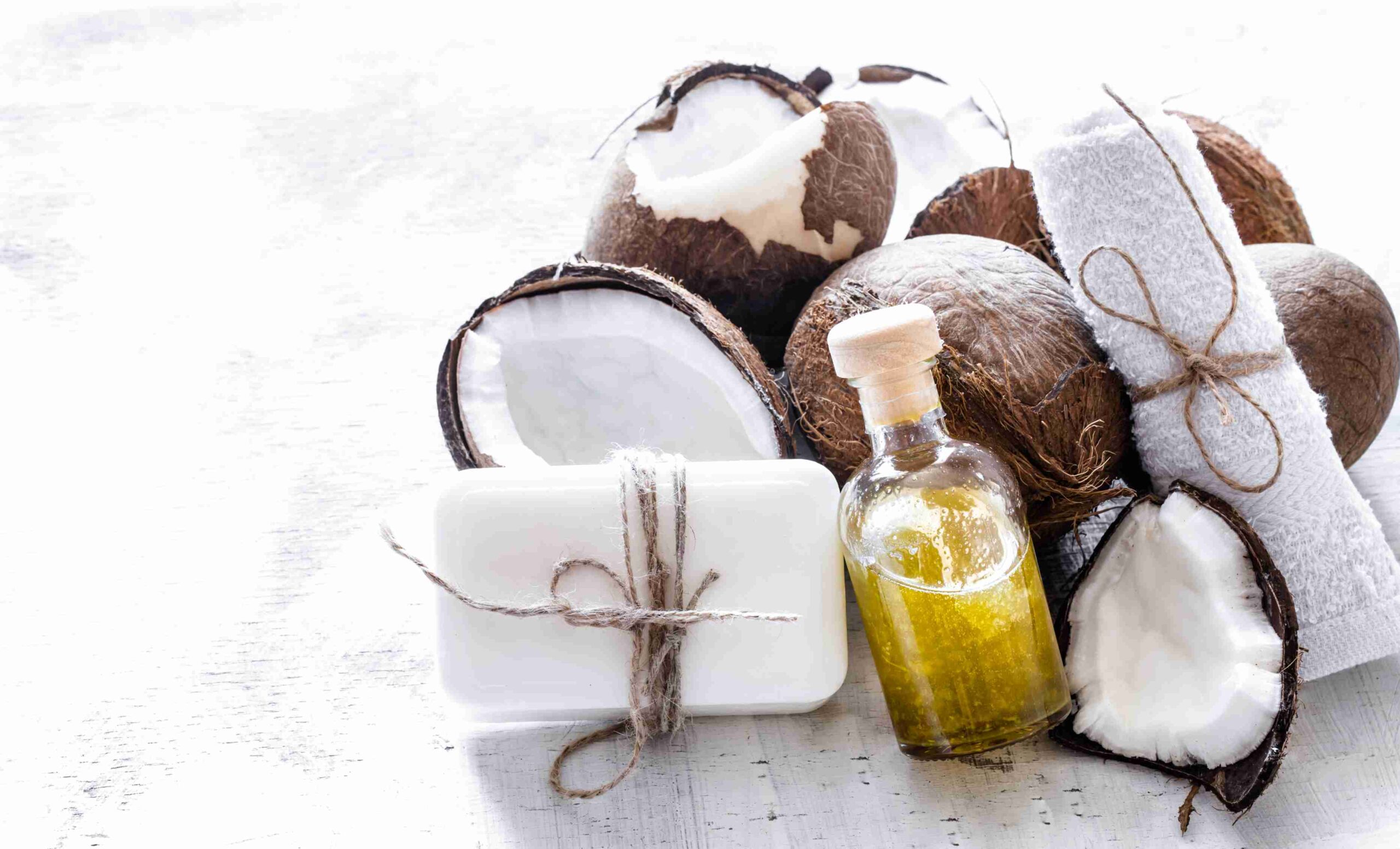
Soap has become an inseparable part of modern human life. Every day, people use soap for bathing, washing hands, cleaning clothes, and maintaining hygiene. However, along with increasing awareness of health and environmental sustainability, many consumers are starting to seek natural alternatives that are safer for the skin and more environmentally friendly. One of the most popular options is coconut oil soap.
Coconut oil soap is not a new invention. In fact, it has been used for generations in many tropical countries, including Indonesia. Traditionally known as “village soap” or natural soap, it is made from simple ingredients such as coconut oil and alkali. Today, coconut oil soap is experiencing a revival due to the growing interest in eco-living, organic products, and zero-waste lifestyles. This article explores the history, chemical composition, production process, benefits, and advantages of coconut oil soap compared to conventional chemical soaps.
Background and History of Coconut Oil Soap

The development of coconut oil soap is closely related to the history of saponification technology. Saponification is a chemical reaction between fats or oils and alkali that produces soap and glycerin. This technique became widely recognized during the 19th century, when coconut oil emerged as one of the most preferred raw materials because it reacts easily with strong bases such as sodium hydroxide (NaOH).
The resulting soap is known for its hardness, abundant foam, and strong cleansing power. In Indonesia, coconut oil soap has long been used for various purposes, including bathing, laundry, and household cleaning. In modern times, it is also widely produced as handmade soap, often enriched with essential oils, herbs, and natural additives to improve its aesthetic and functional value.
The resurgence of coconut oil soap is strongly linked to environmental awareness. Unlike many industrial soaps that contain synthetic detergents, coconut oil soap can be produced using natural ingredients and is biodegradable, making it safer for ecosystems.
Also read: What Is Coconut Cooking Oil? Benefits, Production Process, and Uses
Chemical Composition and Characteristics of Coconut Oil
To understand why coconut oil soap offers unique advantages, it is important to examine the chemical composition of coconut oil itself.
Coconut oil contains approximately 90% saturated fat, dominated by medium-chain fatty acids, including:
- Lauric acid (C12:0) — about 45–50%
- Myristic acid (C14:0) — about 16–20%
- Caprylic and capric acids (C8–C10) — about 10%
- Palmitic acid (C16:0) — about 8–10%
- Small amounts of stearic and oleic acids
Medium-chain fatty acids such as lauric acid, caprylic acid, and capric acid are known for their antibacterial, antifungal, and antiviral properties. Because their molecular structure is relatively small, coconut-based soap dissolves easily in water and effectively removes dirt, excess oil, and impurities from the skin.
The high saturated fat content also contributes to the physical characteristics of coconut oil soap. It produces a harder bar, lasts longer during use, and creates rich foam even in hard water conditions containing high mineral levels.

The Process of Making Coconut Oil Soap
The production of coconut oil soap involves the saponification reaction between triglycerides in coconut oil and a strong base such as sodium hydroxide (NaOH) for solid soap or potassium hydroxide (KOH) for liquid soap. This reaction produces two main components:
- Soap (fatty acid salts)
- Glycerin (glycerol), which acts as a natural moisturizer
The general steps include:
1. Preparation of Ingredients
- Coconut oil (Virgin Coconut Oil or RBD Coconut Oil) as the main fat source
- Alkali solution (NaOH dissolved in distilled water)
- Optional natural additives such as essential oils, herbal powders, honey, coconut milk, or natural colorants
2. Saponification Stage
The coconut oil is gently heated to approximately 40–45°C. The alkali solution is then slowly added while stirring continuously until the mixture thickens. When it reaches a pudding-like texture known as “trace,” the saponification reaction is actively occurring.
3. Molding and Curing
The soap mixture is poured into molds and left for 24–48 hours to harden. Afterward, it is cut and cured for 3–6 weeks to ensure complete saponification and neutral alkali levels. The curing process produces a solid, mild soap that retains natural glycerin.
Advantages of Coconut Oil Soap Compared to Chemical Soap
1. Environmentally Friendly and Biodegradable
Coconut oil soap is made from natural ingredients that easily decompose in the environment. It does not contain synthetic chemicals such as SLS, parabens, or phosphates that can pollute water and harm aquatic life. After use, it breaks down into natural fatty acids and glycerin without leaving toxic residues.
2. Gentle on Skin and Non-Irritating
Natural glycerin formed during the saponification process acts as a humectant, helping the skin retain moisture and maintain elasticity. Unlike industrial soaps where glycerin is often removed for commercial purposes, natural coconut soap retains glycerin, making it gentler and less drying.
3. Natural Antibacterial and Antifungal Properties
Lauric acid and caprylic acid have antimicrobial effects that help inhibit bacteria such as Staphylococcus aureus and fungi like Candida albicans. This makes coconut oil soap suitable for sensitive skin and certain skin conditions such as acne, eczema, or dermatitis.
4. No Need for Synthetic Preservatives
Due to its alkaline nature and low water content, coconut oil soap has a long shelf life without requiring chemical preservatives. This makes it safe for babies, pregnant women, and individuals with chemical sensitivities.
Health and Skin Benefits of Coconut Oil Soap
Coconut oil soap provides multiple skincare benefits, including:
- Deep cleansing without excessive dryness
- Moisturizing and softening skin
- Supporting the skin’s natural barrier
- Helping reduce acne-causing bacteria
- Providing gentle exfoliation when combined with natural additives
- Maintaining skin elasticity and smoothness
Because of these benefits, coconut oil soap is widely used in natural skincare products, spa treatments, and dermatological formulations.
Applications in Various Industries
Coconut oil soap is not limited to personal hygiene. It also has applications across multiple industries:
1. Personal Care and Cosmetics
- Bath soap and facial cleansers
- Shampoo bars and body washes
- Moisturizing products and lotions
2. Household Cleaning
- Natural laundry soap
- Dishwashing products
- Multipurpose cleaning bars
3. Wellness and Spa Industry
- Aromatherapy soaps
- Herbal and organic skincare products
- Natural treatment products
Coconut oil is also widely used as a raw material for cosmetics and personal care products due to its moisturizing and nourishing properties.

Why Coconut Oil Soap Is Becoming Popular Again
Several global trends are driving the resurgence of coconut oil soap:
- Increased awareness of natural ingredients
- Growing environmental concerns
- Demand for sustainable products
- Rise of handmade and artisanal markets
- Interest in chemical-free skincare
Consumers today are more informed about product ingredients and are actively seeking safer alternatives that align with healthy lifestyles and environmental responsibility.
Also read: Indonesia Coconut Oil Industry Overview: From Smallholders to Global Markets
Potential Challenges of Coconut Oil Soap
Despite its many advantages, coconut oil soap also has some limitations:
- High cleansing power may cause dryness if used excessively
- Production requires careful measurement of alkali
- Handmade products may vary in quality depending on formulation
- Some users with extremely sensitive skin may need blended oil formulas
These challenges can be addressed through proper formulation, such as combining coconut oil with other oils like olive oil or shea butter to improve moisturizing properties.
Conclusion
Coconut oil soap represents a natural, sustainable, and effective alternative to conventional chemical soaps. With its rich content of medium-chain fatty acids, natural glycerin, and antimicrobial properties, it offers multiple benefits for skin health while remaining environmentally friendly.
From traditional household use to modern cosmetic applications, coconut oil soap continues to prove its value across generations. As global awareness of sustainability and natural living grows, coconut oil soap is expected to remain an important product in both personal care and eco-friendly industries.

Dimas Surya Tjandra
Dimas Surya Tjandra adalah seorang profesional di bidang teknologi pangan dan pengolahan minyak nabati, khususnya pada proses refining minyak kelapa.
