
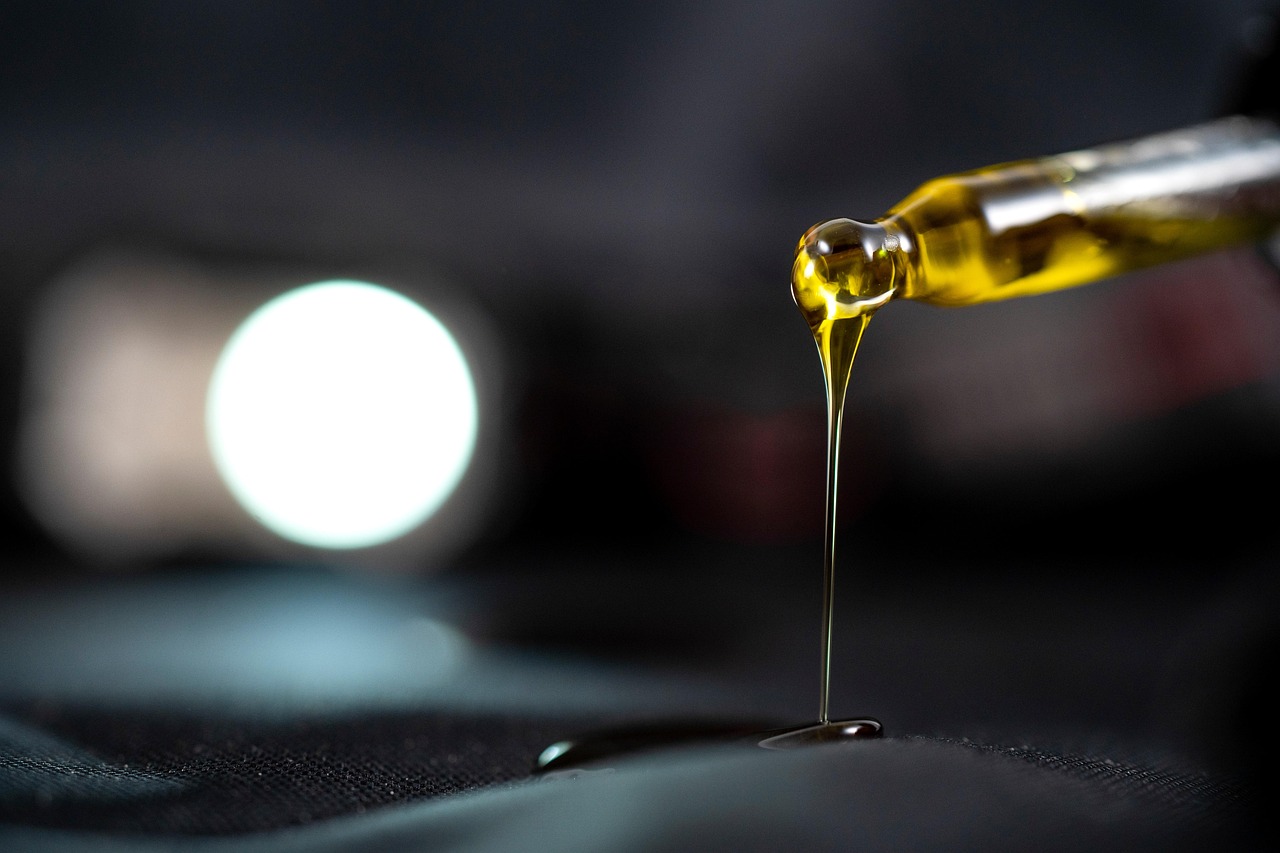
Indonesia occupies one of the most strategic positions on the global coconut production map. From remote islands to densely populated coastal areas, coconut trees are deeply embedded in the socio-economic landscape of coastal communities. They are not merely commercial crops but also sources of livelihood, cultural identity, and local ecosystems.
Coconut oil whether in the form of crude coconut oil (CCO), refined RBD coconut oil, virgin coconut oil (VCO), or other derivatives is a high-value commodity with wide applications ranging from food and cosmetics to pharmaceuticals, biofuels, and oleochemicals. This article explores the Indonesian coconut oil industry in depth, including its real potential, structural barriers, global competitiveness, and strategic pathways to transform the sector into a sustainable agribusiness pillar.
The Potential of Indonesia’s Coconut Oil Industry

1. Natural Resource and Demographic Advantages
Indonesia’s tropical climate is ideal for year-round coconut cultivation. Coconut plantations are spread across multiple provinces, creating geographic diversification that reduces production risk caused by localized climate or pest issues.
Millions of farming households are involved in upstream coconut production, making coconut a “pro-people” commodity. Production often serves both subsistence and commercial needs, strengthening rural economies while supporting national supply chains.
2. Diverse Products and Value Addition Opportunities
Coconut oil is not a single product but part of a long and flexible value chain:
- Copra → Crude Coconut Oil (CCO) → Refined, Bleached, Deodorized (RBD) Coconut Oil for industrial and household uses
- Virgin Coconut Oil (VCO) for premium health and beauty markets
- MCT oil and fractionated oils for dietary supplements and pharmaceutical applications
- Oleochemicals such as fatty acids, glycerin, and surfactants for soap, cosmetics, textile, and green chemical industries
- By-products including husk, shell, and copra meal for biomass energy, activated charcoal, animal feed, and composite materials
This diversification creates significant opportunities for Indonesia to increase domestic value addition rather than exporting raw materials.
Also read: What Is RBD Coconut Oil? Definition and Complete Benefits
3. Growing Domestic Market
Consumer awareness of natural and health-oriented products is driving domestic demand for VCO, organic coconut oil, and coconut-based personal care products. The healthy food and beverage sector, premium bakery industry, and local cosmetics manufacturers are major market absorbers for high-quality coconut oil products.
4. Export Opportunities and Premium Niches
Developed countries increasingly seek certified natural products, including organic, fair-trade, and halal products. Organic VCO, nutraceutical-grade MCT oil, and environmentally friendly oleochemicals offer high profit margins.
Indonesia has strong supply advantages to enter these premium segments, provided quality consistency, traceability, and certification standards are achieved.
Structural and Operational Challenges
1. Low Upstream Productivity
Most coconut plantations are managed by smallholder farmers using traditional cultivation methods. Many trees are old and unproductive, while fertilizer use and improved varieties remain limited.
Without large-scale replanting programs and accessible financing, supply capacity and quality improvements will remain stagnant or decline over time.
2. Fragmented Supply Chains and Weak Vertical Integration
The coconut supply chain often involves multiple layers:
Farmers → Collectors → Copra Dryers → Oil Extraction Plants → Downstream Processors
This fragmented structure results in value leakage, with farmers receiving thin margins while intermediaries capture larger profits. Lack of vertical integration also complicates quality standardization and traceability implementation.
3. Copra Quality and Post-Harvest Handling Issues
Traditional drying methods, such as smoke drying or uncontrolled sun drying, increase the risk of contamination, mold growth, and oxidation. These factors reduce oil yield and quality.
Modern drying infrastructure, including solar dryers and controlled drying facilities, is still limited in many production regions.
4. Certification Costs and International Standards
Accessing premium markets requires certifications such as organic, HACCP, ISO, and international halal standards. Certification costs and regular audits pose barriers for small cooperatives without collective support or subsidies.
5. Price Volatility and Commodity Substitution
Global vegetable oil prices are influenced by palm oil, soybean oil, and other seed oils. In addition, perceptions about saturated fat content may influence consumer demand in certain markets.
Competition from substitute oils can pressure coconut oil prices and market share.
6. Environmental and Climate Risks
Climate change impacts—including irregular rainfall patterns, drought, and pest outbreaks—pose risks to coconut production. Unsustainable farming practices can also lead to long-term soil degradation.
7. Limited Access to Finance and Technology
Small farmers and processing SMEs often struggle to access low-interest financing for equipment investments such as drying facilities, extraction machinery, and cold storage systems. Without technological upgrades, improving product quality remains challenging.
Strengthening Strategies: From Upstream to Downstream
Transforming potential into sustainable economic gains requires multidimensional strategies.
A. Plantation Revitalization and Agronomic Management
- Structured replanting programs using high-yield hybrid varieties
- Microcredit schemes to support replanting investments
- Farmer training in soil nutrition management, integrated pest control, and water management
B. Improving Copra Quality and Post-Harvest Practices
- Promotion of solar dryers and community drying facilities
- Implementation of hygiene standards, grading systems, and proper storage
- Quality-based pricing incentives to reward farmers producing premium copra
C. Downstream Industrial Development
- Establishment of community processing hubs with VCO centrifuges and RBD facilities
- Development of value-added products such as organic VCO, MCT oil, and cosmetic-grade oils
- Partnership models between companies and farmers to ensure market access and technology transfer
D. Standardization, Certification, and Traceability
- Collective certification management through cooperatives to reduce costs
- Digital traceability systems using QR codes to record farm origin and processing data
E. Innovative Financing Access
- Green financing schemes for sustainable agriculture
- Impact investment and crowdfunding for local processing projects
- Forward contracts with large buyers to guarantee market demand
F. Research and Product Innovation
- Development of high-yield, disease-resistant coconut varieties
- Efficient extraction technologies such as enzymatic processing and membrane separation
- Innovation in coconut-based bioplastics, green surfactants, and sustainable aviation fuel research
Emerging Business Models and Value Chains
Several promising models could reshape the industry:
- Cooperative-led VCO and organic clusters
- Public-private partnership (PPP) processing hubs
- Direct-to-consumer (D2C) coconut brands via e-commerce
- Vertical integration by large agribusiness groups with inclusive farmer partnerships
These models can increase farmer income while strengthening supply chain efficiency.
Future Outlook: Medium- to Long-Term Scenarios
Scenario 1 — Sustainable Transformation (Optimistic)
With focused policies, investments, and technology adoption, Indonesia could become a leading supplier of organic VCO and high-value oleochemicals within 10–15 years.
Scenario 2 — Value Stagnation (Moderate)
Production remains high, but value addition does not significantly improve. Most exports continue to be raw CCO, while premium segments are dominated by foreign players.
Scenario 3 — Decline Due to Risks (Pessimistic)
Climate impacts, lack of replanting, and unsustainable practices reduce production and damage export reputation, leading to market losses.
Key Technology and Market Trends to Watch
- Digital agriculture and traceability systems
- Low-energy extraction technologies
- Sustainable certification as a market entry requirement
- Rising demand for MCT and nutraceutical products
- Green chemistry innovations in oleochemicals
Success Indicators and Recommended KPIs
Key performance indicators to measure sector progress include:
- Productivity improvements per tree after replanting
- Percentage of export-grade copra production
- Farmer participation in cooperatives receiving premium pricing
- Growth in downstream product exports versus raw oil exports
- Number of modern drying facilities installed
- Quantity of certified products in the market
Also read: What Is RBD Palm Olein? Definition, Functions, and Advantages
Policy Recommendations
- Targeted subsidies for replanting and community drying facilities
- Affordable microcredit and crop insurance programs
- Collective certification support through cooperatives
- Incentives for domestic downstream industrial development
- Digital agribusiness training and e-commerce market access
- Public-private-academic collaboration for research and innovation
Conclusion
Indonesia’s coconut oil industry represents a combination of traditional heritage and modern economic opportunity. The sector has enormous potential due to its natural resources and product diversity, but this potential will not materialize without structural transformation.
Replanting programs, improved copra quality, fair vertical integration, and downstream technological investment are essential. With inclusive strategies prioritizing smallholder farmers and sustainable development, coconut oil could become a major pillar of Indonesia’s national agribusiness—generating foreign exchange while strengthening rural economies and contributing to the global green economy.
Indonesia has a unique opportunity not only to become a supplier of raw materials but also to define global standards for high-value coconut products if all stakeholders move together from village farms to international markets.

Gilang Permadi
Gilang Permadi adalah seorang Quality Control (QC) Analyst berpengalaman di industri minyak kelapa dan RBD Coconut Oil, dengan spesialisasi dalam pengujian kualitas dan keamanan produk.
