
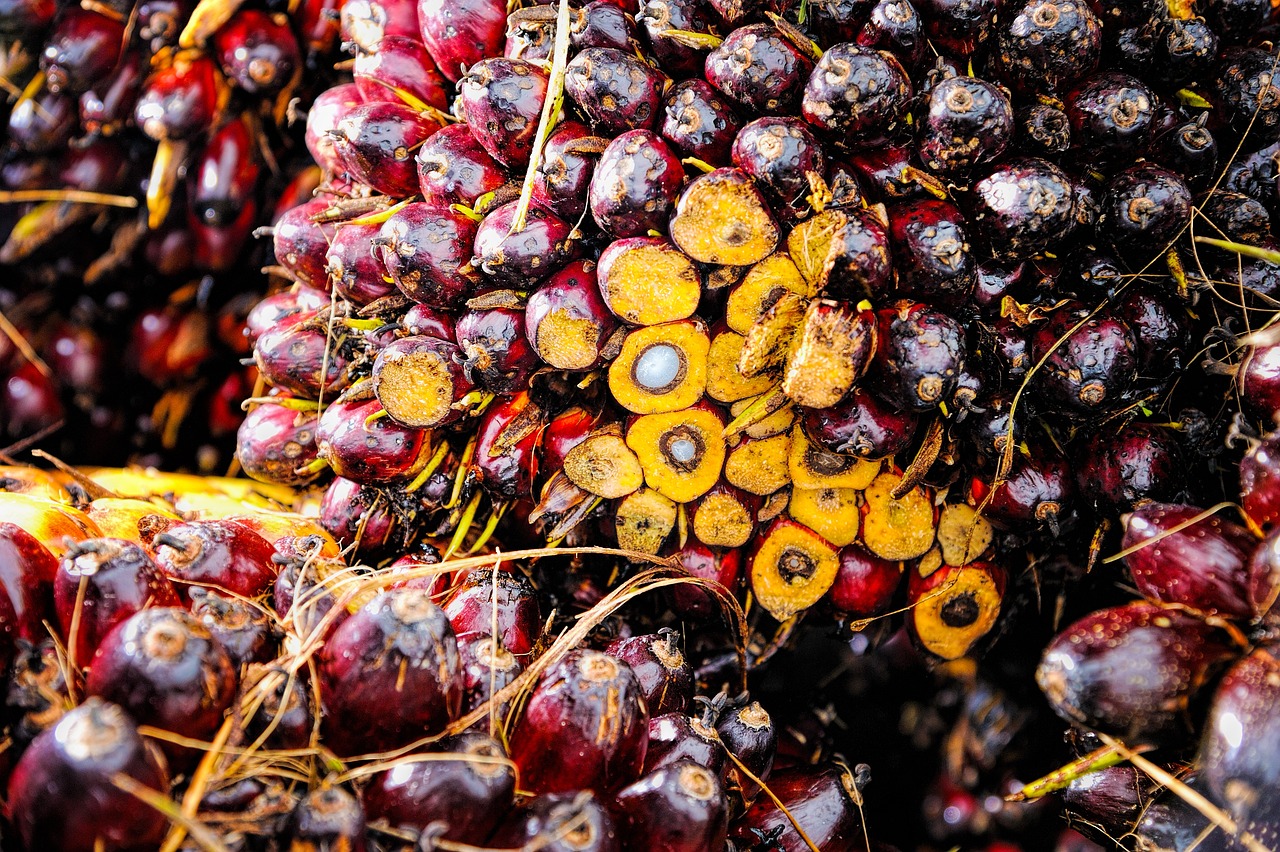
The vegetable oil industry plays a major role in everyday life. Among the many types of oils available on the market, palm oil holds a very dominant position, both at the household and industrial levels. One of the most popular and widely used palm oil derivatives is RBD Palm Olein. Its presence has become an essential part of cooking activities in many countries, especially in Indonesia, and it is also an important export commodity for palm-oil-producing nations.
However, many people still do not fully understand what RBD Palm Olein actually is, how it is produced, and why it has become one of the most widely used cooking oils in the world. This article discusses the definition, production process, functions, and advantages of RBD Palm Olein so readers can better understand its importance in daily life and global industry.
What Is RBD Palm Olein?
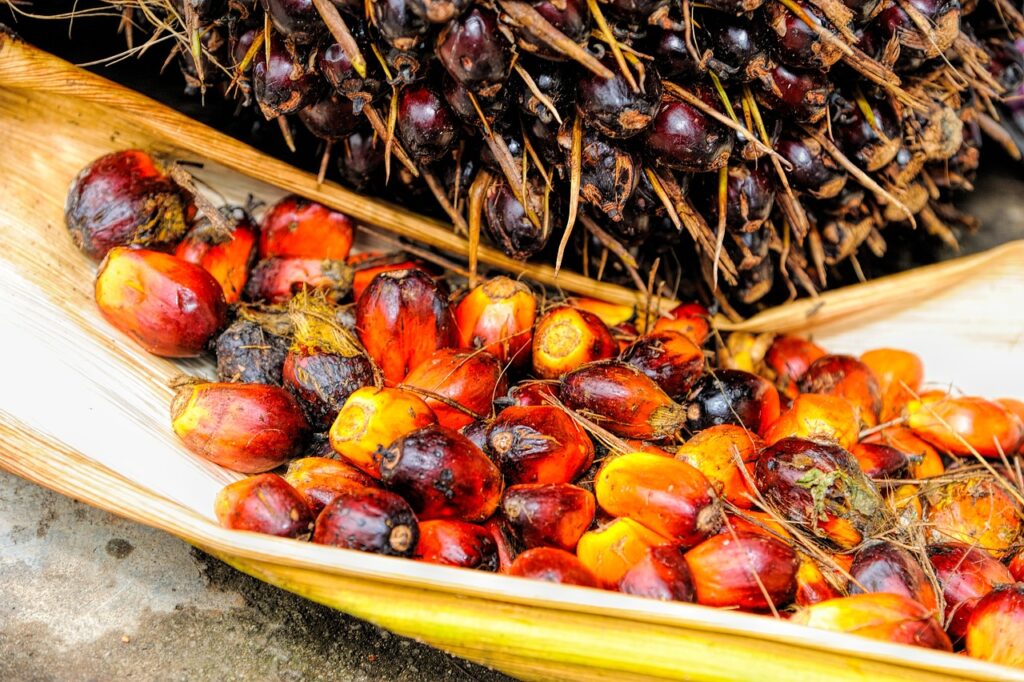
RBD Palm Olein is a vegetable oil derived from crude palm oil (CPO) that has undergone Refining, Bleaching, and Deodorizing processes. After these processes, the oil is separated through fractionation into two main fractions:
- RBD Palm Olein – the liquid fraction at room temperature, clearer and lighter, making it suitable as cooking oil.
- RBD Palm Stearin – the solid fraction, thicker in texture, commonly used for margarine, shortening, and food industry applications.
In simple terms, RBD Palm Olein is the liquid fraction obtained from refined palm oil. It typically has a golden yellow color, a clear appearance, a neutral odor, and high heat stability. These characteristics make it a preferred choice for both household cooking and food industry applications.
Also read: What Is RBD Coconut Oil? Definition and Complete Benefits
Production Process of RBD Palm Olein
To understand the quality of RBD Palm Olein, it is important to know its production stages:
- Extraction of Crude Palm Oil (CPO)
Crude palm oil is obtained from the pulp of oil palm fruit through a pressing process. - Refining
The crude oil is purified to remove free fatty acids (FFA), gums, and other impurities. - Bleaching
The oil is treated with bleaching earth to reduce its dark color and eliminate unwanted compounds. - Deodorizing
High-temperature steam is used to remove the characteristic odor of crude palm oil. - Fractionation
The refined oil is separated based on melting point, resulting in liquid RBD Palm Olein and solid RBD Palm Stearin.
These stages give RBD Palm Olein its light texture, clear color, and neutral characteristics, making it comfortable to use in various cooking applications.
Functions of RBD Palm Olein
RBD Palm Olein has many important functions for both household and industrial needs:
1. Household Cooking Oil
It is one of the main cooking oils used in millions of households. Its relatively high smoke point (around 230°C) makes it stable for frying without breaking down quickly.
2. Food Industry Raw Material
The food industry uses this oil to produce instant noodles, chips, biscuits, and canned foods. Its stability helps products last longer and resist rancidity.
3. Restaurants and Hospitality Industry
Because it withstands high temperatures and does not degrade quickly, RBD Palm Olein is widely used in restaurants, hotels, and catering industries for deep frying and stir frying.
4. Non-Food Industrial Applications
Beyond food, RBD Palm Olein is also used in soap, cosmetics, and biodiesel industries due to its versatile chemical properties.
5. Export and Global Trade
As a major palm oil derivative, RBD Palm Olein is one of the largest export commodities from producing countries such as Indonesia and Malaysia, contributing significantly to national economies.
Advantages of RBD Palm Olein
Why is RBD Palm Olein considered superior compared to many other vegetable oils? Here are several key advantages:
1. High Heat Stability
With a smoke point around 230°C, this oil does not easily degrade during heating, making it suitable for frying and even repeated use within reasonable limits.
2. Odorless and Neutral Taste
The deodorizing process removes strong odors, allowing food to retain its natural flavor without interference from the oil.
3. Light and Clear Texture
It has a clear golden-yellow color, is easy to filter, and does not darken quickly during use.
4. Long Shelf Life
RBD Palm Olein has good oxidative stability, allowing it to last for months when stored properly without becoming rancid.
5. Nutritional Content
It still contains vitamin E (tocopherols and tocotrienols) and provitamin A (carotene), which provide health benefits.
6. Affordable Price
Compared to other vegetable oils such as olive oil or sunflower oil, RBD Palm Olein is more economical due to abundant supply and efficient production.
7. Versatility
Besides frying, it can be used for sautéing, baking, and in processed food products.
Difference Between RBD Palm Olein and Regular Cooking Oil
Although most cooking oils in the market are actually based on RBD Palm Olein, there are some fundamental differences compared to other vegetable oils:
- Raw Material: Derived from refined and fractionated palm oil, while other oils come from seeds or fruits.
- Heat Stability: Excellent for high-temperature cooking, whereas some oils degrade faster under prolonged heat.
- Color: Clear golden yellow, while other oils vary in color.
- Price: Generally more affordable.
- Shelf Life: Typically longer than many other vegetable oils.
Also read: Top 8 Healthy Cooking Oil Recommendations for Daily Use
Tips for Using RBD Palm Olein Safely
To use RBD Palm Olein effectively and safely:
- Use only the amount needed for cooking.
- Avoid heating oil beyond its smoke point.
- Do not reuse cooking oil excessively.
- Store oil in a cool, dry place away from direct sunlight.
- Filter used oil to remove food particles that accelerate deterioration.
Conclusion
RBD Palm Olein is a processed product derived from crude palm oil that has undergone refining, bleaching, deodorizing, and fractionation, resulting in a clear, neutral, and heat-stable liquid cooking oil. Its functions are extensive, ranging from household cooking and food manufacturing to restaurant use and non-food industries such as cosmetics and biodiesel.
Its main advantages include high heat stability, long shelf life, affordability, and versatility across many applications. These benefits explain why RBD Palm Olein has become one of the most popular cooking oils worldwide. With proper and responsible use, it can support daily cooking needs while also providing significant economic value globally.

Gilang Permadi
Gilang Permadi adalah seorang Quality Control (QC) Analyst berpengalaman di industri minyak kelapa dan RBD Coconut Oil, dengan spesialisasi dalam pengujian kualitas dan keamanan produk.
