
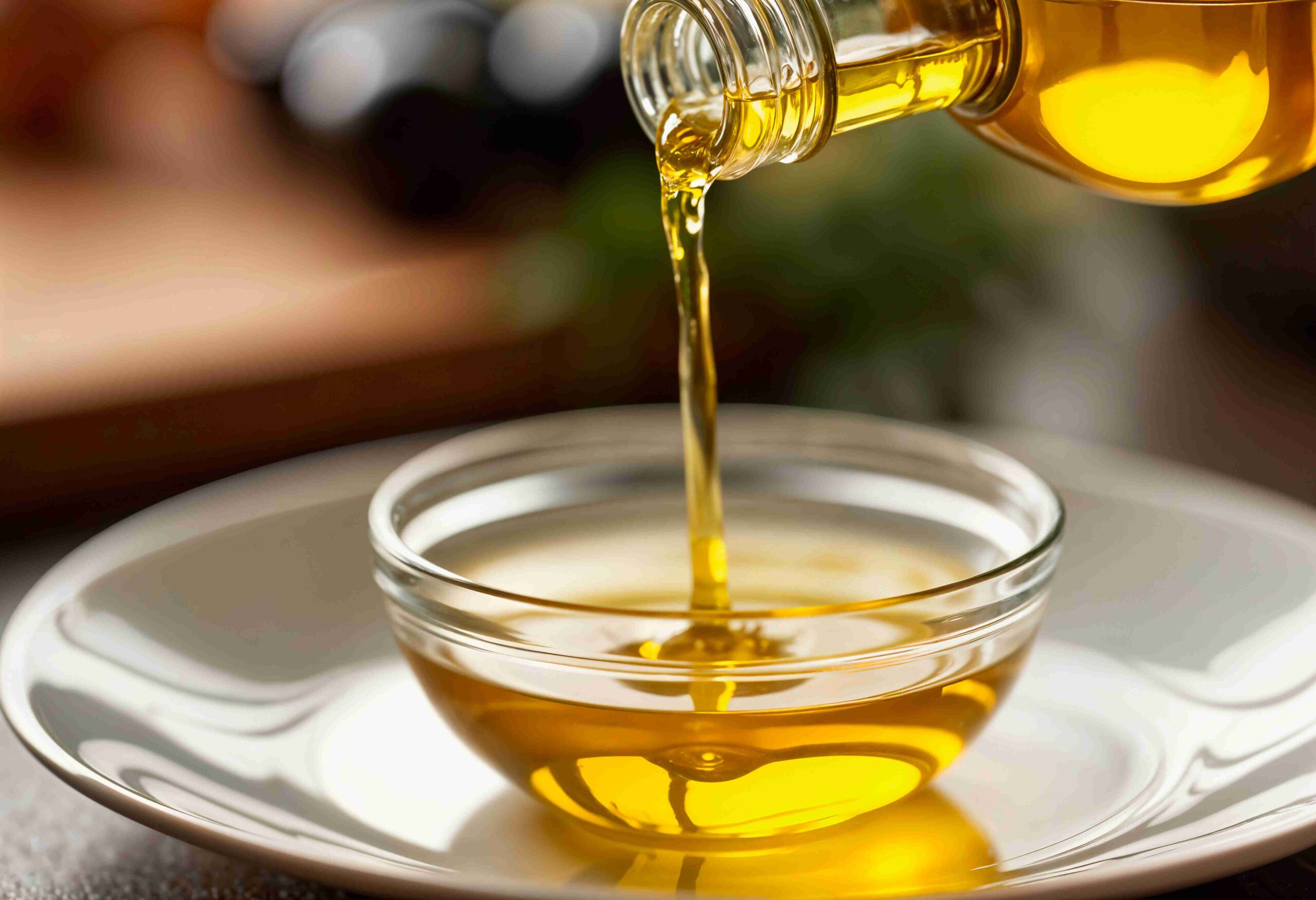
Coconut is one of the most important tropical commodities with high economic value. Nearly every part of the coconut can be utilized, from the water and flesh to the husk. One of the most widely used coconut-derived products in the food, pharmaceutical, and cosmetic industries is coconut oil. However, the coconut oil commonly used on an industrial scale usually undergoes specific refining and purification processes, resulting in a product known as RBD Coconut Oil.
This term may still be unfamiliar to some people, even though RBD Coconut Oil is one of the most widely used types of coconut oil in the global market. It is not only used for household cooking needs but also serves as an essential raw material in many modern industries. This article discusses the definition of RBD Coconut Oil, its production process, nutritional composition, and benefits in everyday applications.
What Is RBD Coconut Oil?
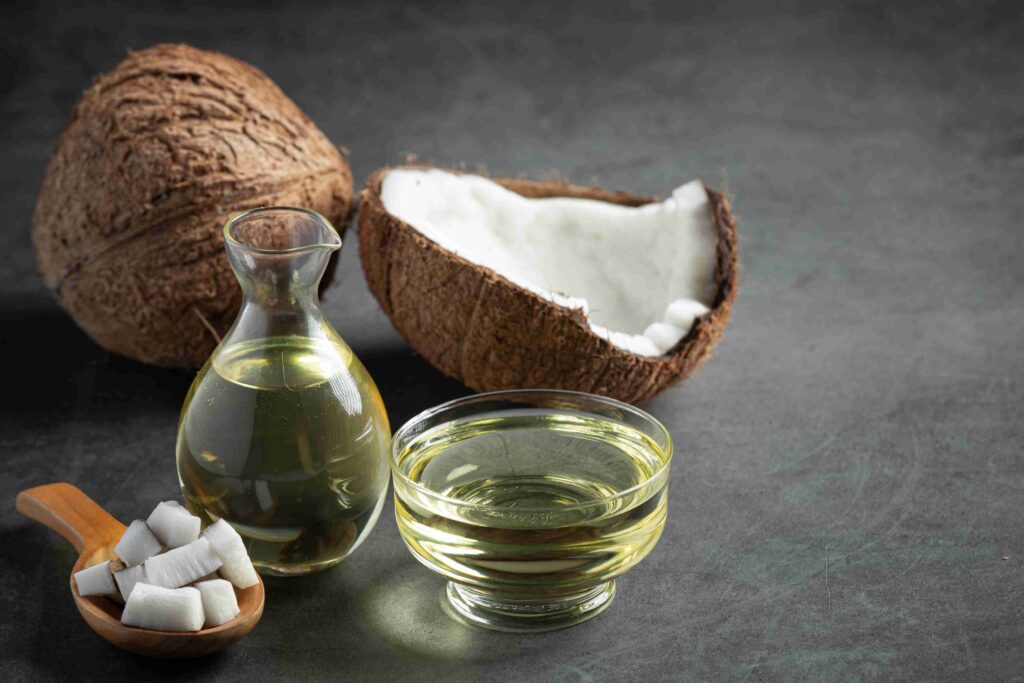
RBD Coconut Oil stands for Refined, Bleached, and Deodorized Coconut Oil. It is coconut oil that has undergone three main processing stages:
- Refining — Crude oil extracted from copra or dried coconut is processed to remove impurities and unwanted substances.
- Bleaching — The oil is filtered using bleaching earth to reduce dark color and remove remaining particles.
- Deodorizing — The oil is heated with steam at high temperatures to eliminate the characteristic coconut smell and flavor.
The final product is a clear to pale yellow oil with a neutral taste and almost no aroma. These characteristics make RBD Coconut Oil highly versatile and suitable for various applications, both in cooking and industrial use.
Also read: Indonesia Coconut Oil Industry Overview: From Smallholders to Global Markets
Nutritional Composition of RBD Coconut Oil
Even after the refining process, RBD Coconut Oil still contains several important components, including:
- Saturated fatty acids, especially lauric acid, which makes up approximately 40–50% of its composition.
- Medium Chain Triglycerides (MCTs), which are easily absorbed by the body and quickly converted into energy.
- High caloric content, providing a significant source of daily energy.
- Small amounts of natural vitamin E, although some nutrients are reduced during the refining process.
This composition distinguishes RBD Coconut Oil from many other vegetable oils and explains why it is widely chosen for both cooking and industrial purposes.

Benefits of RBD Coconut Oil
1. Stable for High-Temperature Cooking
RBD Coconut Oil has a relatively high smoke point, around 232°C, meaning it does not easily break down or produce harmful compounds when heated. This makes it ideal for frying, sautéing, and baking applications.
2. Neutral Taste and Aroma
Unlike Virgin Coconut Oil (VCO), which has a strong coconut flavor and scent, RBD Coconut Oil is nearly odorless and tasteless. This neutrality makes it perfect for recipes where the coconut flavor is not desired, such as fried foods, baked goods, and processed foods.
3. Quick Energy Source
The presence of MCTs allows the oil to be digested rapidly and converted into energy efficiently by the body. For this reason, it is sometimes used as an additional energy source for athletes, individuals with physically demanding jobs, or people following certain dietary programs.
4. Widely Used in the Food Industry
RBD Coconut Oil is commonly used in the production of margarine, shortening, bakery products, and various processed foods. Its stability and light texture make it a preferred ingredient for large-scale food manufacturing.
5. Applications in the Cosmetic Industry
Beyond food use, RBD Coconut Oil is also used as a base ingredient in soaps, lotions, creams, and other beauty products. Its fatty acid content helps maintain skin moisture and provides a smooth texture in cosmetic formulations.
6. Use in the Pharmaceutical Industry
In pharmaceuticals, this oil is used as a solvent for medications, ointments, and softgel capsules. Its chemical stability makes it suitable for various medical and health-related applications.
7. Longer Shelf Life
The refining process extends the shelf life of RBD Coconut Oil compared to unrefined coconut oil. It can be stored for months without becoming rancid, making it highly practical for large-scale distribution and commercial use.

Difference Between RBD Coconut Oil and Virgin Coconut Oil
Although both originate from coconuts, RBD Coconut Oil and Virgin Coconut Oil differ significantly in several aspects:
- Processing
RBD Coconut Oil undergoes refining, bleaching, and deodorizing, while Virgin Coconut Oil is minimally processed and extracted from fresh coconuts. - Flavor and Aroma
RBD Coconut Oil has a neutral taste and smell, whereas Virgin Coconut Oil retains a strong natural coconut aroma. - Smoke Point
RBD Coconut Oil has a higher smoke point, making it more suitable for deep frying, while Virgin Coconut Oil is better for moderate-heat cooking or health-focused uses. - Nutritional Content
Virgin Coconut Oil contains more antioxidants and natural nutrients because it is less processed. - Applications
RBD Coconut Oil is widely used in cooking and industrial production, while Virgin Coconut Oil is often preferred for health and cosmetic purposes.
Also read: What Is Coconut Cooking Oil? Benefits, Production Process, and Uses
Tips for Using RBD Coconut Oil
To maximize the benefits of RBD Coconut Oil, consider the following tips:
- Use it in moderation, as excessive oil consumption still increases calorie intake.
- Store it in a tightly sealed container away from direct sunlight.
- Choose RBD Coconut Oil when you need neutral flavor and high heat stability.
- Avoid excessive repeated use, since reused oil can produce harmful compounds over time.
Conclusion
RBD Coconut Oil is coconut oil that has undergone refining, bleaching, and deodorizing processes, resulting in a clear, neutral-tasting oil with minimal aroma. Its versatility, high heat stability, long shelf life, and broad industrial applications make it one of the most widely used coconut oil products worldwide.
It is commonly used not only for cooking but also in the food industry, cosmetics, and pharmaceuticals. Understanding its characteristics and differences compared to other coconut oils can help consumers and businesses choose the most suitable oil for their needs.

Dimas Surya Tjandra
Dimas Surya Tjandra adalah seorang profesional di bidang teknologi pangan dan pengolahan minyak nabati, khususnya pada proses refining minyak kelapa.
