
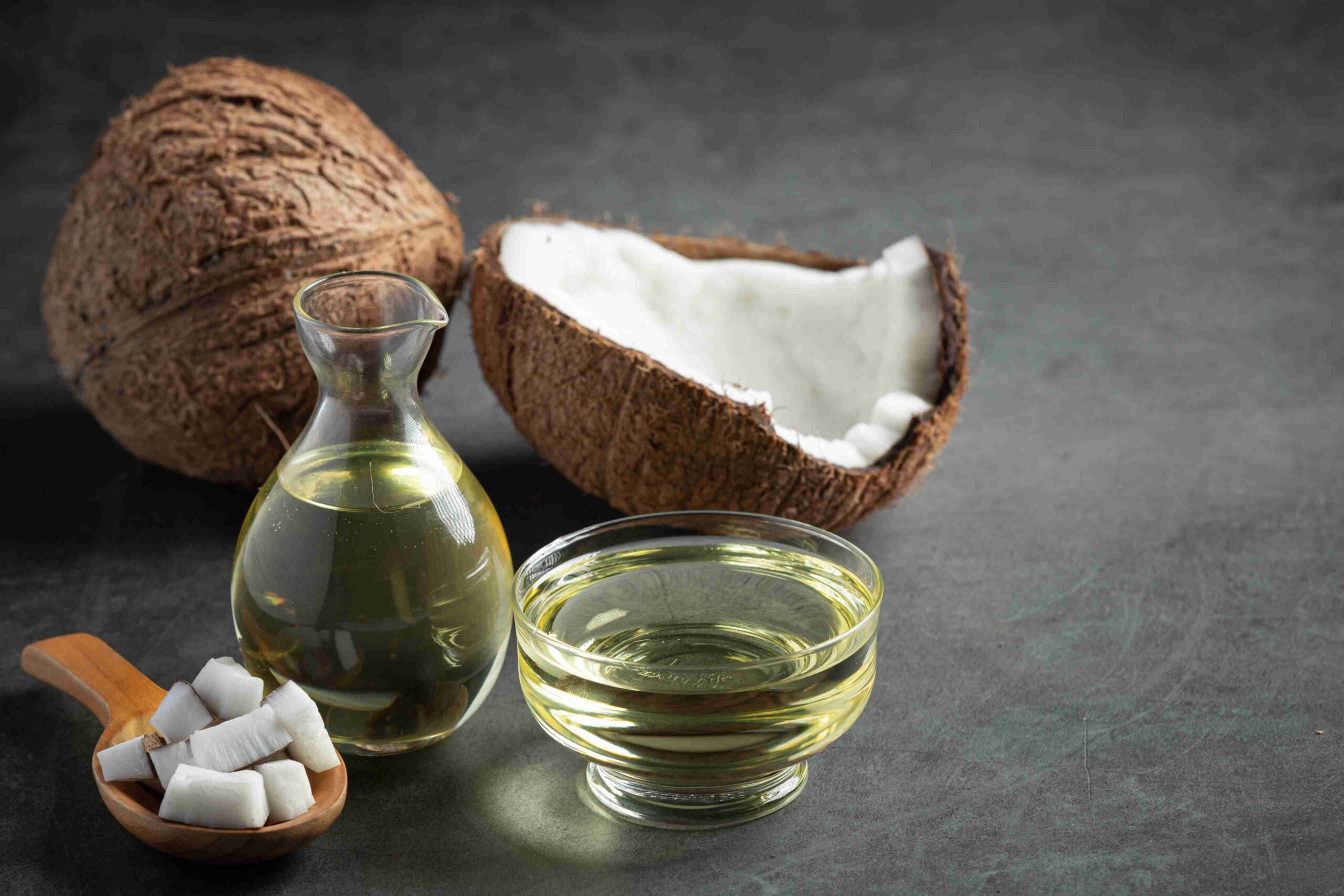
Coconut cooking oil is one of the traditional vegetable oils that has been used for centuries, especially in tropical regions such as Indonesia, the Philippines, and India. Derived from the coconut fruit, which is abundant in these regions, coconut oil is not only used as a cooking ingredient but also plays an important role in culture, traditional medicine, and modern industries.
In recent years, coconut cooking oil has regained popularity because it is considered more natural and offers various potential benefits. However, to use it properly and safely, it is important to understand what coconut cooking oil is, how it is produced, its nutritional content, benefits, and how to use it wisely.
What Is Coconut Cooking Oil?

Coconut cooking oil is a vegetable oil produced from the meat of the coconut (Cocos nucifera). This oil naturally contains no cholesterol and has a distinctive coconut aroma, particularly in unrefined forms.
One of the main characteristics of coconut oil is its high saturated fat content, which typically makes up about 80–90% of its total fat composition. Because of this, coconut oil tends to be solid at room temperature and melts when exposed to heat.
Key characteristics of coconut cooking oil include:
- Clear to slightly yellowish color
- Distinct coconut aroma (especially in pure or virgin oil)
- Stability at certain cooking temperatures
- Relatively long shelf life when stored properly
These properties make coconut oil suitable for both culinary and non-culinary uses.
Also read: What Is RBD Coconut Oil? Definition and Complete Benefits
Types of Coconut Cooking Oil
Coconut oil can be classified into several types depending on the processing method:
1. Traditional Coconut Oil
This type is produced by heating coconut milk until the oil separates from the water. It usually appears slightly cloudy and has a strong coconut aroma. Traditional coconut oil is commonly used in rural households and traditional cooking.
2. Refined Coconut Oil (RBD Coconut Oil)
Refined coconut oil is made from dried coconut meat (copra) that undergoes refining, bleaching, and deodorizing processes. It has a more neutral taste and a higher smoke point, making it suitable for large-scale frying and commercial food production.
3. Virgin Coconut Oil (VCO)
Virgin coconut oil is produced from fresh coconut without high heat or chemical processes. It retains its natural coconut aroma and flavor and is often used for health purposes and personal care applications.

Coconut Oil Production Process
There are two main production methods:
1. Traditional Method
This method is still widely practiced in rural communities:
- Mature coconuts are peeled and grated.
- The grated coconut is squeezed to produce coconut milk.
- The coconut milk is heated over medium heat.
- Water evaporates and oil separates.
- The oil is filtered and cooled.
Although simple, the final quality may vary depending on coconut quality and cooking technique.
2. Modern Industrial Method
Industrial production uses more controlled technology, such as:
- Mechanical pressing
- Centrifugal separation
- Multi-stage filtration
- Temperature control systems
This process produces cleaner, more stable oil that meets food safety standards.
Nutritional Content of Coconut Oil
Coconut oil mainly consists of fat, particularly medium-chain fatty acids, including:
- Lauric acid
- Capric acid
- Caprylic acid
- Myristic acid
These fatty acids belong to medium-chain triglycerides (MCTs), which are generally easier for the body to digest compared to long-chain fats. However, coconut oil does not contain significant amounts of protein, fiber, vitamins, or minerals, so it should be consumed alongside a balanced diet.
Benefits of Coconut Cooking Oil
1. Quick Energy Source
The MCT content can be rapidly converted into energy by the body, making coconut oil a popular choice for people needing quick energy intake.
2. Cooking Stability
Coconut oil is relatively stable and resistant to oxidation at certain cooking temperatures, making it suitable for frying and sautéing.
3. Skin Care Support
Coconut oil is widely used as a natural moisturizer because it helps retain skin moisture and relieve dryness.
4. Hair Care
Applying coconut oil to hair may help reduce damage, maintain moisture, and improve shine.
5. Natural Antimicrobial Properties
Lauric acid has antimicrobial activity against certain bacteria and fungi, although it should be considered supportive rather than a primary treatment.

Uses of Coconut Cooking Oil in Daily Life
1. Cooking Ingredient
Coconut oil is commonly used for:
- Frying traditional foods
- Sautéing spices
- Baking and snacks
- Adding distinctive aroma to dishes
2. Personal Care Products
It is also used as:
- Massage oil
- Skin moisturizer
- Natural hair mask
- Base ingredient for soap and cosmetics
3. Traditional Applications
In some cultures, coconut oil is used for:
- Baby massage
- Traditional remedies
- Cultural and ceremonial rituals
Important Considerations When Consuming Coconut Oil
1. High Saturated Fat Content
Despite being natural, coconut oil is high in saturated fat. Excessive consumption may negatively affect heart health if not balanced with a healthy diet.
2. Use in Moderation
Coconut oil should not be the only fat source in the diet. It is advisable to combine it with other oils such as olive oil or other vegetable oils.
3. Choose Quality Products
Good coconut oil should:
- Not smell rancid
- Contain no additives
- Be properly packaged
- Have clear certification or regulatory approval
Also read: What Is RBD Palm Olein? Definition, Functions, and Advantages
Storage Tips for Coconut Cooking Oil
To maintain quality:
- Store in a cool, dry place
- Close the container tightly after use
- Avoid direct sunlight exposure
- Use clean utensils when taking oil
Proper storage helps coconut oil last longer without spoilage.
Conclusion
Coconut cooking oil is a natural vegetable oil derived from coconut meat and has been widely used for generations. With its unique characteristics, distinctive aroma, and versatile uses, coconut oil remains a valuable option for cooking and personal care.
Although it offers several benefits, coconut oil should still be used wisely and in moderation due to its high saturated fat content. With a proper understanding of its types, production process, and correct usage, coconut cooking oil can be a beneficial part of daily life.

Dimas Surya Tjandra
Dimas Surya Tjandra adalah seorang profesional di bidang teknologi pangan dan pengolahan minyak nabati, khususnya pada proses refining minyak kelapa.
